

Tax and policy
How to Invest in New Build Property in Australia From 2027
TL;DR: From 1 July 2027 a new build is the only residential property that keeps full negative gearing, which makes new supply the tax-favoured asset. There are four ways money gets into one: buy new and hold, buy at developer cost price, co-develop, or lend. You do not have to become the developer to take part. Ask which structure you are entering, and be wary of anyone promising a fixed return.
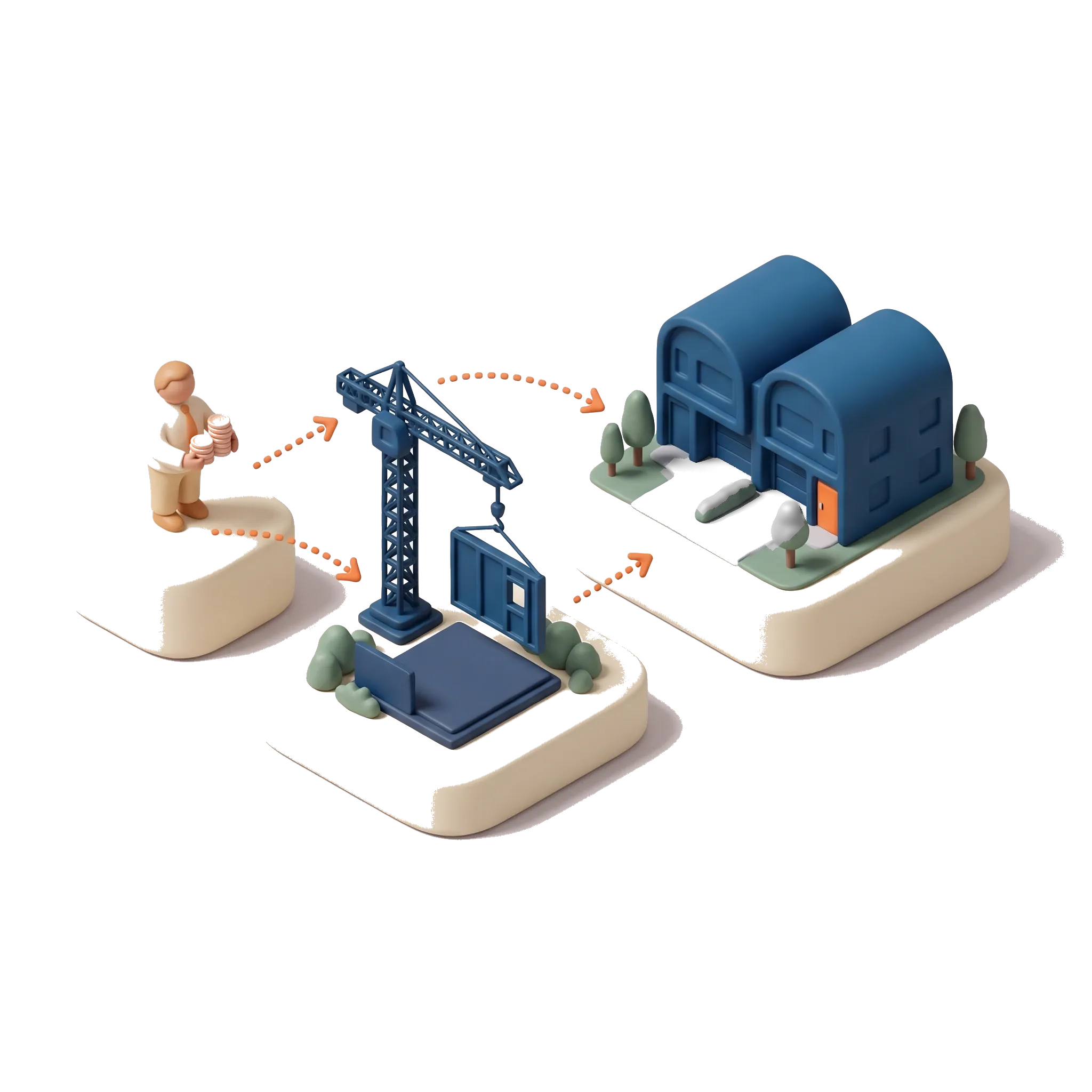

From 1 July 2027, only one kind of residential property in Australia keeps full negative gearing. Do you own that kind?
Have you assumed that benefiting from a development means running one yourself?
And do you know the difference between owning a piece of a new build and simply lending money to the person who does?
That last distinction decides where your return comes from and what happens if the project goes wrong. Ahead: the shift in one line, the four ways money gets into a new build, whether each one makes you an owner or a lender, the named structures that matter, why nobody honest uses the word fixed, and what to check before you commit a cent.
I have covered the negative gearing rules and the capital gains tax changes in their own pieces. This one is about the part that follows: now that new supply is the favoured asset, how does an ordinary investor get a slice of it without quitting their job to become a developer.
The shift, in one line
The tax code has stopped rewarding you for buying the established house next door and started rewarding you for adding a home that was not there before.
That is not my opinion, it is the design of the reform, and the industry has read it the same way. Place Estate Agents chief executive Damian Hackett told Domain the changes are likely to “shift future investor demand toward new housing and apartment supply”. Fair minds disagree on how big the effect will be, and it is worth reading the sceptics too. But for someone with capital to place in the next few years, the direction is not really in doubt.
Four ways to invest in new build property in Australia
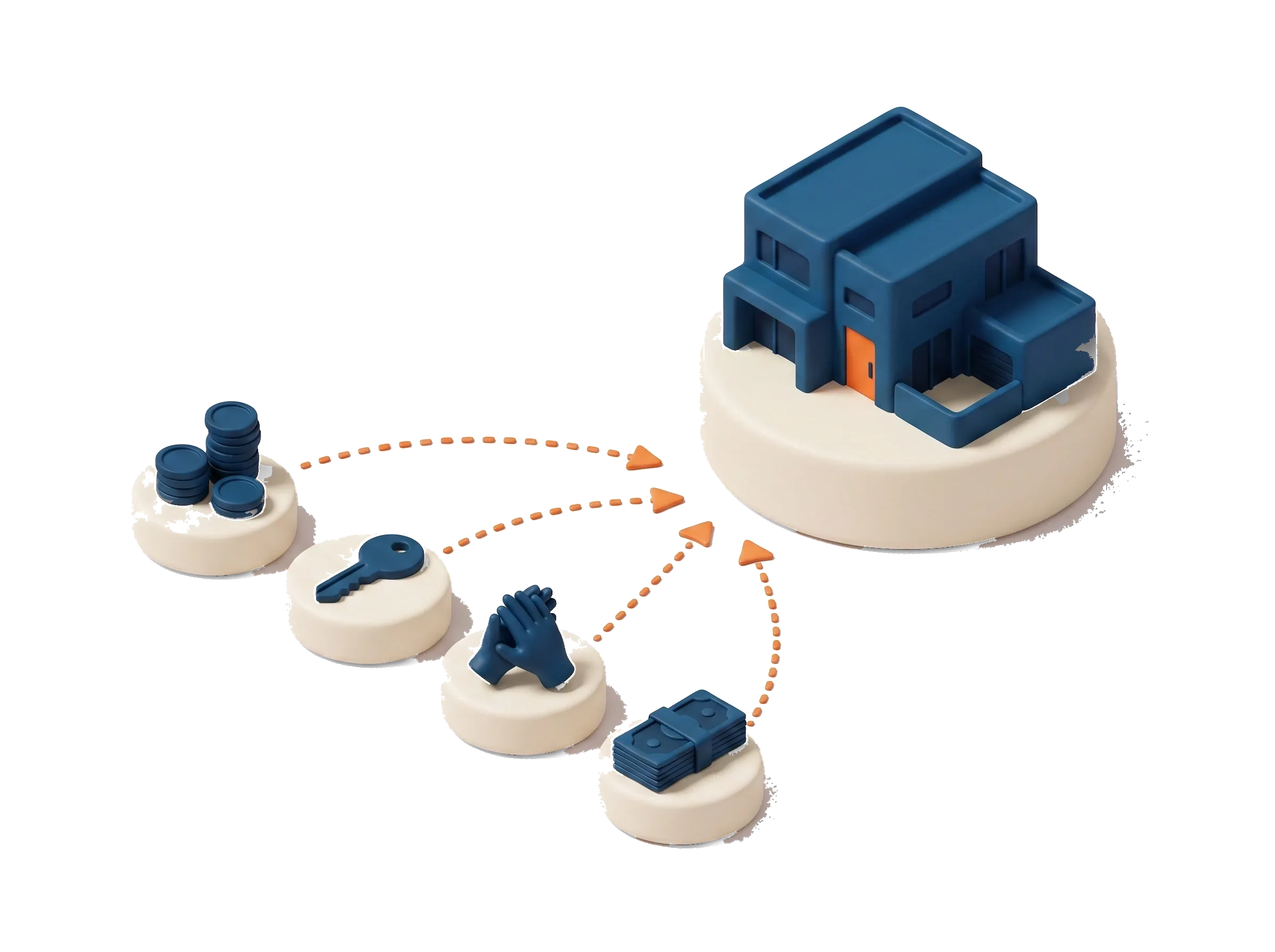
There is a common assumption that to benefit from a development you have to run one. You do not. Money gets into new supply four different ways, and only one of them makes you the developer.
| Path | What you are | Where the return comes from |
|---|---|---|
| Buy a completed new home and hold | Owner | Rent and long-run growth, with the new-build tax treatment |
| Buy at developer cost price | Owner | The developer margin kept as built-in equity and stronger yield |
| Co-develop (capital into the build) | Owner | The growth the build itself creates, not the market cycle |
| Lend to a project | Financier | Interest, secured, no ownership upside |
The first three make you an owner, which is the side that carries the new-build tax treatment. The fourth makes you a lender, which is a genuinely different thing, and worth being clear-eyed about.
Are you an owner, or a lender?
This is the distinction that matters most when something goes wrong, so it is worth slowing down on.
A lender is first in the queue to be repaid and last to share in the upside, which usually means there is no upside beyond the interest. An owner is last in the queue if the project struggles and first to benefit if it does well. Neither is better in the abstract. They are different trades. The mistake is buying one while thinking you bought the other, which is exactly what happens when a page says “invest with us” and never tells you which side of the line you are standing on.
Simply put, decide whether you want the safety and ceiling of lending, or the risk and upside of owning, before you look at a single return figure.
The structures, named
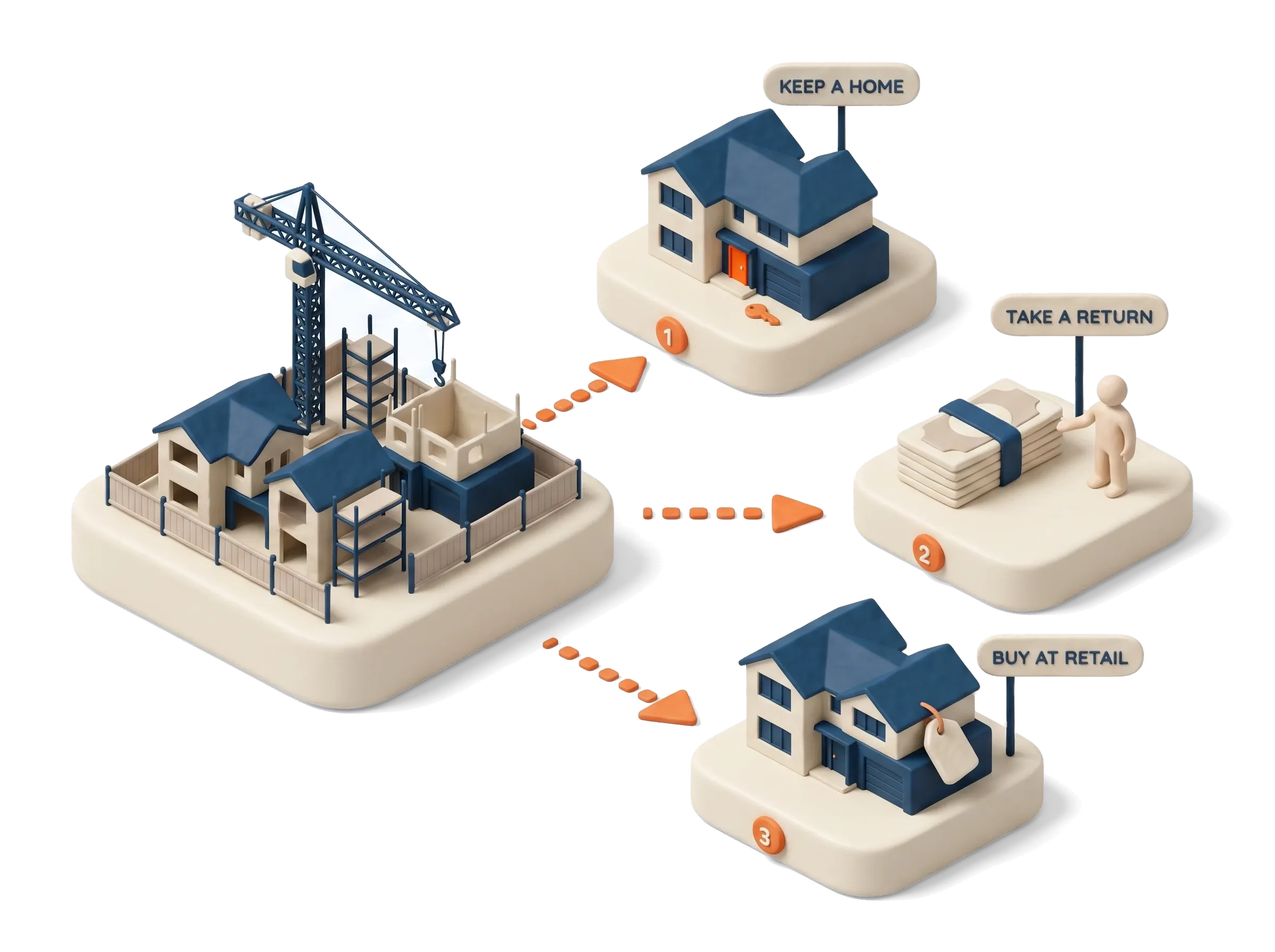
Here is the bit that separates a credible arrangement from a worrying one. The structure gets named.
Co-development capital can be held a few honest ways: as units in a unit trust, under a joint venture deed, or as a share on title as tenants in common. That last one is worth understanding, because it is direct property ownership, your name on the title for your share, not a unit in a managed fund. It is ownership, held directly.
If an operator will not tell you which of these you are entering, that vagueness is the risk. Naming the structure is not a technicality, it is how you know whether you own an asset or a promise. We think naming it plainly is the least an investor should expect, which is why the co-development model is built on a share on title rather than a pool.
New build investment returns: why nobody honest says “fixed”
You will see “12% fixed” and “guaranteed returns” around this part of the market. Please be careful with that language.
A development return depends on the build coming in on budget and the finished homes selling or valuing where you expect. Those are real risks, so an honest operator talks about a target return, shows you the feasibility behind it, and tells you what happens if the project misses its margin. “Fixed” and “guaranteed” on something that is neither is not a comfort, it is a warning sign. The absence of those words, paired with a feasibility you can actually read, is what confidence looks like here.
Check the developer before you invest
Whatever path you choose, do the boring checks first, because the boring checks are the ones that save people. Look the developer up on ASIC Connect and the ABN Lookup, check any builder licence, and ask to see finished projects with real addresses and dates. Understand where your money sits during the build. The regulator’s Check before you invest guidance is a sensible starting point, and a developer worth backing will hand you the answers rather than dodge the questions.
Where this leaves you
From 2027 the tax settings and the national housing shortfall point the same way, at new supply. The four paths above are simply the ways an everyday investor gets on the right side of that. If you want the profit the build creates without running the project, that is what investing in property development for a cash return is for. If you would rather hold a finished home with the margin already in it, that is buying at developer cost price. Either way, the whole property development process is laid out in the guide, and you can run your own numbers in the Manufactured Equity Calculator before you talk to anyone.
The window that makes this urgent is the run-up to 1 July 2027, while the new-build advantage is fresh and the supply is still being built. That is exactly the gap our work is built to close, and it is a good time to understand it properly.
General information only. Nothing here is financial, credit or tax advice, nor an offer of any financial product. Any investment carries risk, including the loss of capital, and past results are not a promise of future performance. Speak with your own licensed adviser before acting.
Frequently asked questions
How can I invest in a new build without becoming a developer?
There are four common ways. You can buy a completed new home and hold it; buy at developer cost price so the margin is built in as equity; co-develop, meaning you contribute capital to the build and share in the growth it creates through a named structure such as a unit trust or a share on title; or lend to a project as a debt investor. The first three make you an owner; lending makes you a financier. Each has a different risk and return profile, and none requires you to run the project yourself. This is general information, not financial advice.
Why are new builds better for investors after 2027?
Because the 2027 tax changes carve them out. From 1 July 2027, negative gearing on established homes is limited, but a new residential build stays fully negatively gearable against all income, and a new dwelling can elect its capital gains tax treatment. Established stock gets neither. That is a deliberate shift to focus tax support on new housing supply, and it makes a new build the more tax-flexible asset to hold.
Is co-development a managed investment scheme?
It depends entirely on the structure, which is why the structure should always be named rather than glossed over. A share on title as tenants in common is direct property ownership. Other arrangements can fall within the managed investment scheme rules. A credible operator will tell you exactly which structure you are entering and how your interest is held. If someone cannot name it, treat that as the answer.
What is a fair return for investing in a property development?
There is no single number, and be wary of anyone who quotes one as a certainty. Licensed operators talk about a target return, not a fixed or guaranteed one, because a development return depends on the build coming in on budget and the finished stock selling or valuing as expected. What matters more than the headline percentage is whether the operator shows you the feasibility, names the risks, and explains what happens if the project misses its margin.
How do I check a property developer before investing?
Look them up on ASIC Connect and the ABN lookup, check any relevant builder licence, ask to see prior completed projects with addresses and dates, and understand how and where your money is held during the build. The regulator's own guidance at MoneySmart's Check before you invest is a sensible starting point. A developer worth backing will welcome the questions, not deflect them.
Sources
- Federal Budget 2026: negative gearing and CGT changes explained — Domain, accessed August 2026
- State of the Housing System 2026 — National Housing Supply and Affordability Council, accessed August 2026
- Check before you invest — MoneySmart (ASIC), accessed August 2026